

Proper power tool maintenance goes beyond cleaning your tools after use. It involves inspecting accessories, keeping ventilation openings clear, checking power cords or batteries, and following a consistent daily, weekly, and monthly maintenance routine. These simple practices help extend tool life, improve safety, reduce repair costs, and ensure reliable performance on every project.
Whether you use power tools on construction sites, in fabrication workshops, or for DIY projects, regular maintenance protects your investment and keeps your equipment operating at peak efficiency.
Table of Contents
- Why Power Tool Maintenance Matters
- Maintenance at a Glance
- Common Causes of Power Tool Failure
- Daily Power Tool Maintenance Checklist
- Weekly Power Tool Maintenance Checklist
- Monthly Power Tool Maintenance Checklist
- Maintenance Tips by Tool Type
- Common Maintenance Mistakes to Avoid
- Recommended Maintenance Schedule
- Frequently Asked Questions
- Final Thoughts
Why Power Tool Maintenance Matters
Power tools are designed to perform under demanding conditions, but continuous exposure to dust, heat, vibration, and heavy workloads gradually affects their performance. Without regular maintenance, these factors can lead to overheating, reduced efficiency, excessive wear, and unexpected breakdowns.
Many users only service their tools after a problem develops, such as reduced power, unusual vibration, overheating, or poor cutting performance. However, most of these issues can be prevented through routine inspections and simple maintenance practices.

Regular inspection and cleaning help keep power tools performing safely and efficiently.
Regular maintenance helps you:
- Extend the lifespan of your power tools
- Maintain consistent cutting, drilling, and grinding performance
- Improve workplace safety
- Reduce downtime caused by unexpected failures
- Lower repair and replacement costs
- Maximise productivity on every project
Whether you're a professional contractor or a DIY enthusiast, investing a few minutes in routine maintenance can save hours of downtime and costly repairs in the future.
Expert Tip
Always disconnect a corded tool from the power supply or remove the battery from a cordless tool before carrying out any cleaning or maintenance.
For safe operation, combine regular maintenance with routine safety inspections. Before every job, ensure the power cord, safety guards, switches, and accessories are in good condition. You can learn more in our Power Tool Safety Checklist.
Maintenance at a Glance
Following a simple maintenance schedule helps keep your tools in excellent working condition without adding significant time to your workflow.
| Maintenance Task | Recommended Frequency |
|---|---|
| Clean the tool and remove dust | After every use |
| Inspect power cord or battery | Daily |
| Check accessories for wear | Daily |
| Clean ventilation openings | Weekly |
| Tighten loose screws and guards | Weekly |
| Inspect for wear and damage | Monthly |
| Check battery condition | Monthly |
Common Causes of Power Tool Failure
Understanding why power tools fail is the first step toward preventing costly repairs. In most cases, failures occur because of poor maintenance rather than manufacturing defects.
Dust and Debris Build-Up
Dust is one of the leading causes of premature power tool wear. Concrete dust, wood chips, metal filings, and plaster residue are drawn into cooling vents while the motor is running. Over time, this build-up restricts airflow, increases operating temperatures, and accelerates wear on internal components.
If you regularly work in dusty environments, cleaning your tools after each use is essential. Keeping the workspace clean is equally important. Using an industrial vacuum cleaner helps reduce airborne dust before it enters your equipment. For better workshop cleanliness, explore our industrial vacuum guide to choose the right cleaning solution for your workspace.
Worn Accessories
Using dull drill bits, chipped saw blades, damaged grinding discs, or worn router bits forces the motor to work harder, reducing efficiency and increasing wear.
Inspect accessories before every project and replace them when they show signs of damage or excessive wear. High-quality accessories not only improve work quality but also help protect the tool itself.
If you're choosing a blade for aluminium or timber, our guide on Best TCT Circular Saw Blades for Aluminium and Wood explains how the right blade improves cutting performance while reducing stress on your circular saw.
Excessive Heat
Continuous heavy-duty operation generates heat that can shorten the life of motors, bearings, and electronic components. This is especially important in the UAE and other GCC countries, where high ambient temperatures increase operating conditions.
Allow your tools to cool during extended use, and never block ventilation openings while working.
Improper Storage
The way you store your tools has a direct impact on their lifespan.
Leaving tools exposed to moisture, dust, or direct sunlight can cause corrosion, damage electrical components, and reduce battery performance.
Store your equipment in a clean, dry location, preferably inside its carrying case or a dedicated storage cabinet.
Daily Power Tool Maintenance Checklist
Daily maintenance takes less than ten minutes but delivers long-term benefits. Performing these simple checks after every use helps prevent unnecessary wear, improves safety, and ensures your tools are ready for the next task.
1. Clean the Tool
Remove dust, wood chips, metal filings, and other debris from the exterior using a clean, dry cloth. Use a soft brush or compressed air to clean ventilation openings, trigger areas, accessory mounting points, and air intake vents.
Avoid cleaning power tools with water or harsh chemicals, as they can damage electrical components and protective finishes.
If your workshop produces heavy dust, consider using an industrial vacuum cleaner to keep both your workspace and equipment cleaner.
2. Inspect the Power Source
Electrical problems often begin with damaged cables or poorly maintained batteries.
For corded tools, inspect the power cord and plug for cuts, exposed wires, or signs of overheating.
For cordless tools, check the battery housing for cracks or swelling, clean the battery terminals, and ensure the battery locks securely into place.
Never use damaged cables or batteries, as they present serious safety risks.
3. Check Accessories
Before storing your tool, inspect all accessories for wear or damage.
Check:
- Drill bits
- Saw blades
- Grinding discs
- Router bits
- Chisels
- Sanding accessories
Replacing worn accessories improves work quality, reduces motor strain, and helps maintain safe operation.
4. Watch for Early Warning Signs
Pay attention to changes in performance during operation.
Stop using the tool and inspect it if you notice:
- Excessive vibration
- Unusual noises
- Reduced power
- Burning smells
- Overheating
- Difficulty starting
Identifying problems early can prevent major repairs and minimise downtime.
5. Store Tools Properly
Proper storage is the final step in any maintenance routine.
After each use:
- Remove accessories where appropriate.
- Coil power cords neatly without sharp bends.
- Remove batteries during long-term storage.
- Store tools in a clean, dry place away from moisture, dust, and direct sunlight.
Good storage habits help protect your investment and ensure your tools are ready for the next project.
Weekly Power Tool Maintenance Checklist
Daily maintenance keeps your tools clean, while a weekly inspection helps identify wear before it affects performance. Spending just 15–20 minutes each week can improve reliability and reduce the likelihood of unexpected repairs.
1. Clean Ventilation Openings
Cooling vents draw air into the motor to prevent overheating. Over time, dust and debris can block these openings, restricting airflow and increasing operating temperatures.
Use compressed air or a soft brush to remove dust from:
- Cooling vents
- Air intake openings
- Motor housing
- External moving parts
If you regularly work with concrete, wood, or metal, keeping your workspace clean is just as important as cleaning your tools. Using an industrial vacuum cleaner helps reduce airborne dust before it reaches your equipment.
2. Tighten Loose Components
Continuous vibration can gradually loosen screws, guards, handles, and adjustment mechanisms.
Inspect and tighten:
- Side handles
- Blade and wheel guards
- Base plates
- Chucks and collets
- Depth adjustment mechanisms
Keeping these components secure improves both accuracy and operator safety.
3. Test Safety Features
Safety mechanisms should always operate smoothly.
Check that:
- Trigger switches function correctly.
- Safety locks engage properly.
- Adjustable guards move freely and lock securely.
- Auxiliary handles remain firmly attached.
If any safety feature is damaged or not working correctly, repair or replace it before using the tool. Following proper job site power tool safety practices helps prevent accidents and ensures safer operation in demanding work environments.
4. Inspect Cables and Batteries
Electrical components are exposed to constant wear, particularly on busy construction sites.
For corded tools:
- Inspect power cords for cuts or exposed wires.
- Check plugs for signs of damage.
For cordless tools:
- Ensure batteries are free from cracks or swelling.
- Wipe battery terminals clean if required.
- Allow hot batteries to cool before charging.
Proper battery care is particularly important in the UAE and GCC, where high temperatures can affect battery performance and lifespan.
Monthly Power Tool Maintenance Checklist
Monthly maintenance focuses on the overall condition of your equipment and helps identify problems that may not be visible during daily inspections.
1. Perform a Detailed Inspection
Carefully inspect each tool for signs of wear or damage.
Check for:
- Cracked housings
- Loose components
- Damaged guards
- Excessive vibration
- Unusual noises
- Signs of overheating
Addressing small issues early can prevent more expensive repairs later.
2. Check Tool Accuracy
Accurate tools produce better results and place less strain on the motor.
Inspect that:
- Circular saws cut straight.
- Drill chucks hold bits securely.
- Routers maintain accurate depth settings.
- Angle grinders run smoothly without excessive vibration.
If performance has declined, inspect the accessories first before assuming the tool requires servicing.
3. Inspect Batteries and Chargers
For cordless tools, battery maintenance is just as important as tool maintenance.
To maximise battery life:
- Store batteries in a cool, dry location.
- Remove batteries during long-term storage.
- Use only compatible chargers.
- Keep charging terminals clean.
Maintenance Tips by Tool Type
Different power tools experience different types of wear depending on their application, operating conditions, and accessories. Following tool-specific maintenance practices can help maintain performance, improve safety, and extend service life.
1. Cordless Drills & Impact Drivers
Cordless drills and impact drivers are frequently exposed to dust, vibration, and repeated battery use.
- Keep the chuck clean and free from dust and debris.
- Inspect the chuck for excessive wear or damage.
- Replace worn or damaged drill bits promptly.
- Keep battery terminals clean and dry.
- Check the battery housing for cracks, swelling, or other damage.
- Allow hot batteries to cool before charging.
- Store batteries in a cool, dry location when not in use.
For drilling and fastening applications, explore our Drills Collection.
2. Impact Wrenches
Impact wrenches operate under high torque and vibration, making regular inspection important for reliable performance.
- Inspect the drive mechanism for signs of excessive wear.
- Check sockets for cracks, deformation, or excessive wear.
- Keep ventilation openings clear of dust and debris.
- Check the housing and handle for cracks or loose components.
- For cordless models, inspect battery terminals and battery condition regularly.
- For pneumatic models, follow the manufacturer's recommendations for air supply and lubrication.
If your current tools are showing significant structural wear from heavy use, browsing our heavy-duty impact wrenches can provide a sense of the durable options available for professional fastening applications.
3. Angle Grinders
Angle grinders operate at high speeds and generate significant dust and heat during cutting and grinding. Proper airflow is critical for any grinder to survive these harsh conditions, whether it is an entry-level unit or a professional model from our angle grinder lineup:
- Clean ventilation openings after every use.
- Inspect the wheel guard before operation.
- Check the spindle and accessory mounting area for damage or excessive wear.
- Replace damaged, cracked, or excessively worn grinding discs immediately.
- Check the auxiliary handle and guard for a secure fit.
- Stop using the grinder if you notice excessive vibration, unusual noise, or overheating.
4. Die Grinders
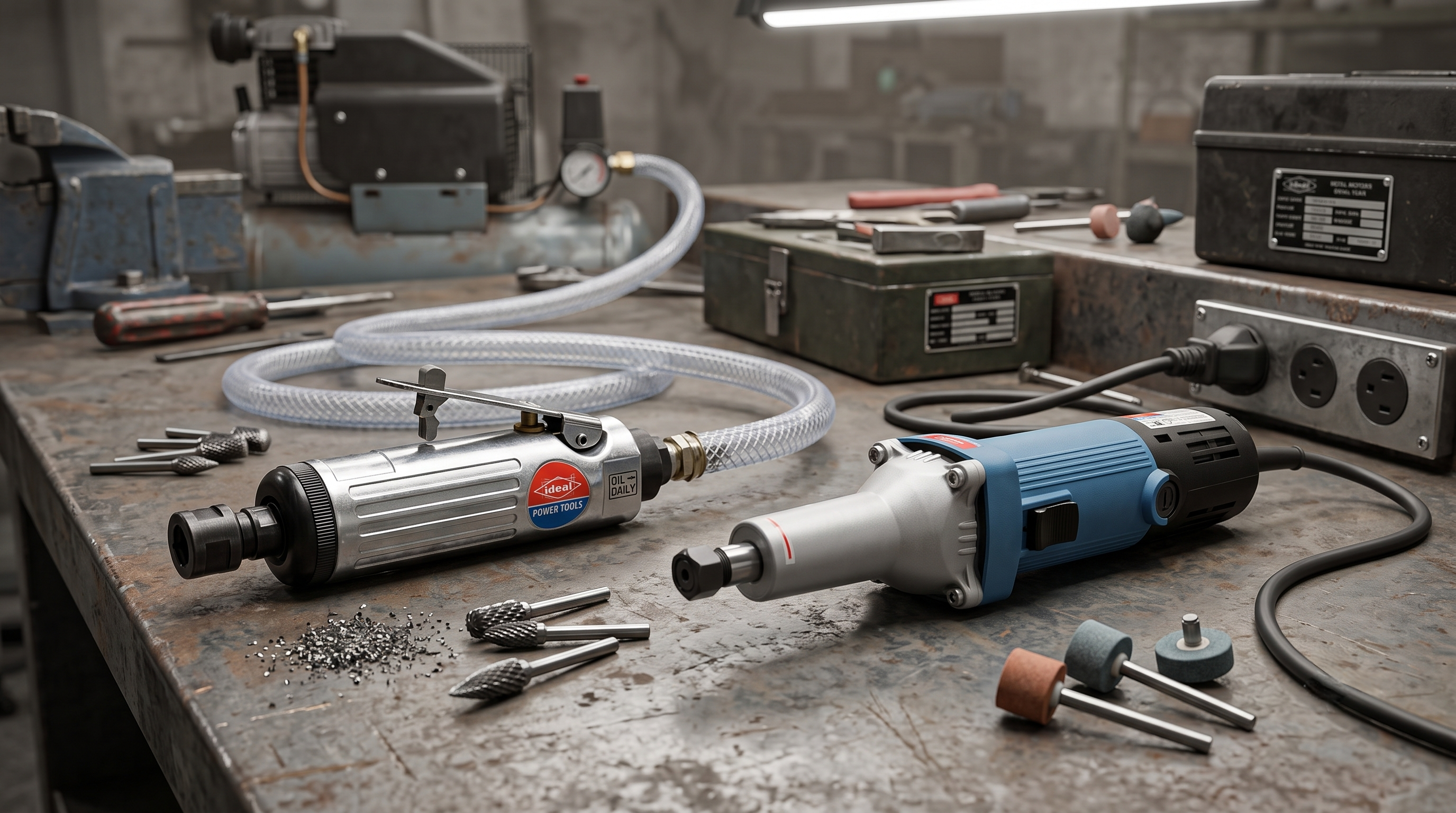
Die grinders are commonly used for precision grinding, deburring, polishing, and finishing, making the condition of your accessories particularly important for accurate results. To maintain the fine tolerances expected from tools like those in our die grinder collection, follow these steps:
- Clean the collet after use.
- Inspect burrs, mounted points, and other accessories for damage or wear.
- Ensure accessories are securely mounted before operation.
- Check for increased vibration during operation.
- Keep ventilation openings clean.
- For pneumatic models, maintain the air supply and follow the manufacturer's lubrication recommendations.
5. Circular Saws, Mitre Saws & Cut-Off Saws
Cutting tools rely on sharp, correctly installed accessories for safe and accurate operation.
- Keep blades clean and free from dust and material build-up.
- Replace chipped, cracked, or excessively dull blades.
- Check blade alignment and mounting before use.
- Inspect guards to ensure they move freely and return correctly.
- Keep the base plate clean and check adjustment mechanisms regularly.
- Avoid forcing the saw through material, as excessive load can increase motor heat and wear.
For those looking to upgrade their setup for specific cutting applications, our catalog of cutting tools offers a variety of specialized solutions.
6. Rotary & Demolition Hammers
Rotary and demolition hammers are frequently exposed to highly abrasive concrete dust, severe vibration, and heavy impact loads. When tackling demanding concrete work with heavy-duty gear like rotary hammers or specialized demolition tools, post-use cleaning is critical to prevent early failure:
- Clean dust and debris from the chuck after use.
- Inspect SDS accessories before every project.
- Replace worn drill bits and chisels.
- Check the auxiliary handle for a secure fit.
- Inspect the tool housing for cracks or impact damage.
- Keep ventilation openings clear to prevent overheating.
- Check the chuck for abnormal movement or excessive wear.
Using an industrial vacuum alongside rotary hammers can also help reduce airborne dust around the tool and workspace.
7. Sanders & Polishers
Sanders and polishers can accumulate fine dust and residue around ventilation openings and moving components.
- Clean dust from ventilation openings after use.
- Replace worn sanding discs, pads, or abrasive accessories.
- Check sanding pads and backing plates for damage.
- Keep polishing pads clean and replace them when excessively worn.
- Inspect the tool for unusual vibration or noise.
- Avoid applying excessive pressure, as this can increase motor load and heat.
For sanding, polishing, and finishing applications, browse our Grinders, Sanders & Polishers Collection.
8. Woodworking Tools
Fine wood dust rapidly accumulates around motors, switches, guides, and adjustment mechanisms. Taking proper care of your woodworking tools, whether it’s a router, planer, or jigsaw - ensures they retain their precision and deliver clean, accurate cuts on every project.
- Remove wood dust from the tool after every use.
- Keep ventilation openings clear.
- Inspect cutting accessories for wear or damage.
- Check depth and adjustment mechanisms for smooth operation.
- Ensure base plates, guides, and handles remain securely attached.
- Replace damaged or excessively worn cutting accessories.
- Store woodworking tools in a clean, dry location.
9. Blowers, Heat Guns & Vacuum Cleaners
Utility equipment relies heavily on unrestricted airflow and clear thermal pathways to function efficiently. Whether managing shop dust or applying high heat, staying on top of maintenance for your air blowers, heat guns, and vacuum cleaners prevents motor overheating and loss of suction:
- Keep air intake and ventilation openings free from dust and debris.
- Clean or replace filters according to the manufacturer's recommendations.
- Empty vacuum containers before excessive dust or debris accumulates.
- Inspect hoses, nozzles, and attachments for blockages or damage.
- Allow heat guns to cool completely before storage.
- Keep blower and vacuum accessories clean and securely attached.
- Inspect power cords and connections for signs of damage.
A Simple Rule for Every Tool
Regardless of the tool type, follow the same basic maintenance principle: clean it, inspect it, replace worn accessories, check safety features, and store it properly.
Following these simple habits can reduce unnecessary wear, minimise downtime, and help your power tools deliver consistent performance for longer.
Common Maintenance Mistakes to Avoid
Avoiding these common mistakes can help extend tool life and improve safety.

Waiting Until Something Breaks
Maintenance should be preventive, not reactive. Inspecting tools regularly helps identify problems before they become costly repairs.
Using Worn Accessories
Damaged blades, drill bits, and grinding discs reduce efficiency while placing unnecessary strain on the motor. Replace accessories when they become worn.
Ignoring Dust Build-Up
Dust trapped inside ventilation openings reduces airflow and increases operating temperatures. Clean your tools regularly, especially after working in dusty environments.
Storing Tools Incorrectly
Avoid leaving tools in damp areas, direct sunlight, or excessively hot vehicles. Store them in a clean, dry place using protective cases whenever possible.
Recommended Power Tool Maintenance Schedule
Following a structured maintenance schedule helps ensure your tools remain safe, efficient, and ready for every job. While daily cleaning prevents dirt and dust from building up, weekly and monthly inspections help identify wear before it develops into costly repairs.
| Maintenance Task | After Every Use | Weekly | Monthly |
|---|---|---|---|
| Clean dust and debris | ✓ | ||
| Inspect power cord or battery | ✓ | ✓ | |
| Check accessories for wear | ✓ | ✓ | |
| Clean ventilation openings | ✓ | ||
| Tighten loose screws and guards | ✓ | ||
| Test safety features | ✓ | ||
| Inspect tool for wear or damage | ✓ | ||
| Check tool alignment and performance | ✓ | ||
| Inspect batteries and chargers | ✓ |
Following this simple routine can significantly reduce downtime, improve workplace safety, and help your tools deliver consistent performance for years.
Frequently Asked Questions
How often should power tools be maintained?
Power tools should be cleaned after every use and inspected regularly. A daily cleaning routine, weekly inspections, and monthly condition checks help prevent premature wear and maintain reliable performance.
What is the best way to clean power tools?
Use a clean, dry cloth to wipe the exterior of the tool and remove dust with a soft brush or compressed air. Avoid using water or harsh chemicals, as they can damage electrical components and protective finishes.
Can compressed air be used to clean power tools?
Yes, compressed air is effective for removing dust from ventilation openings and hard-to-reach areas. Use moderate air pressure and direct dust away from the motor rather than pushing it deeper into the tool.
How do I know when accessories need replacing?
Replace drill bits, saw blades, grinding discs, router bits, and other accessories when they become dull, chipped, cracked, or excessively worn. Worn accessories reduce work quality and place additional strain on the motor.
Why do power tools overheat?
Overheating is commonly caused by blocked ventilation openings, excessive dust build-up, worn accessories, or continuous heavy-duty use without cooling breaks. Regular cleaning and maintenance help prevent overheating and extend tool life.
How should cordless batteries be stored?
Store batteries in a cool, dry place away from direct sunlight and moisture. If a tool will not be used for an extended period, remove the battery and avoid storing it in extremely hot environments, such as inside vehicles during summer.
Is it safe to lubricate all power tools?
No. Many modern power tools have sealed bearings and gearboxes that require little or no user maintenance. Always follow the manufacturer's recommendations before applying lubricants.
Does regular maintenance improve tool lifespan?
Yes. Routine maintenance reduces wear on internal components, improves operating efficiency, and helps prevent costly repairs, allowing your tools to deliver reliable performance for longer.
Final Thoughts
Power tool maintenance is one of the simplest and most cost-effective ways to improve safety, extend tool life, and maintain consistent performance. A few minutes spent cleaning your tools, inspecting accessories, and following a regular maintenance schedule can prevent unnecessary downtime and expensive repairs.
Whether you use drills, angle grinders, circular saws, rotary hammers, or other professional equipment, adopting preventive maintenance habits ensures your tools remain ready for every project.
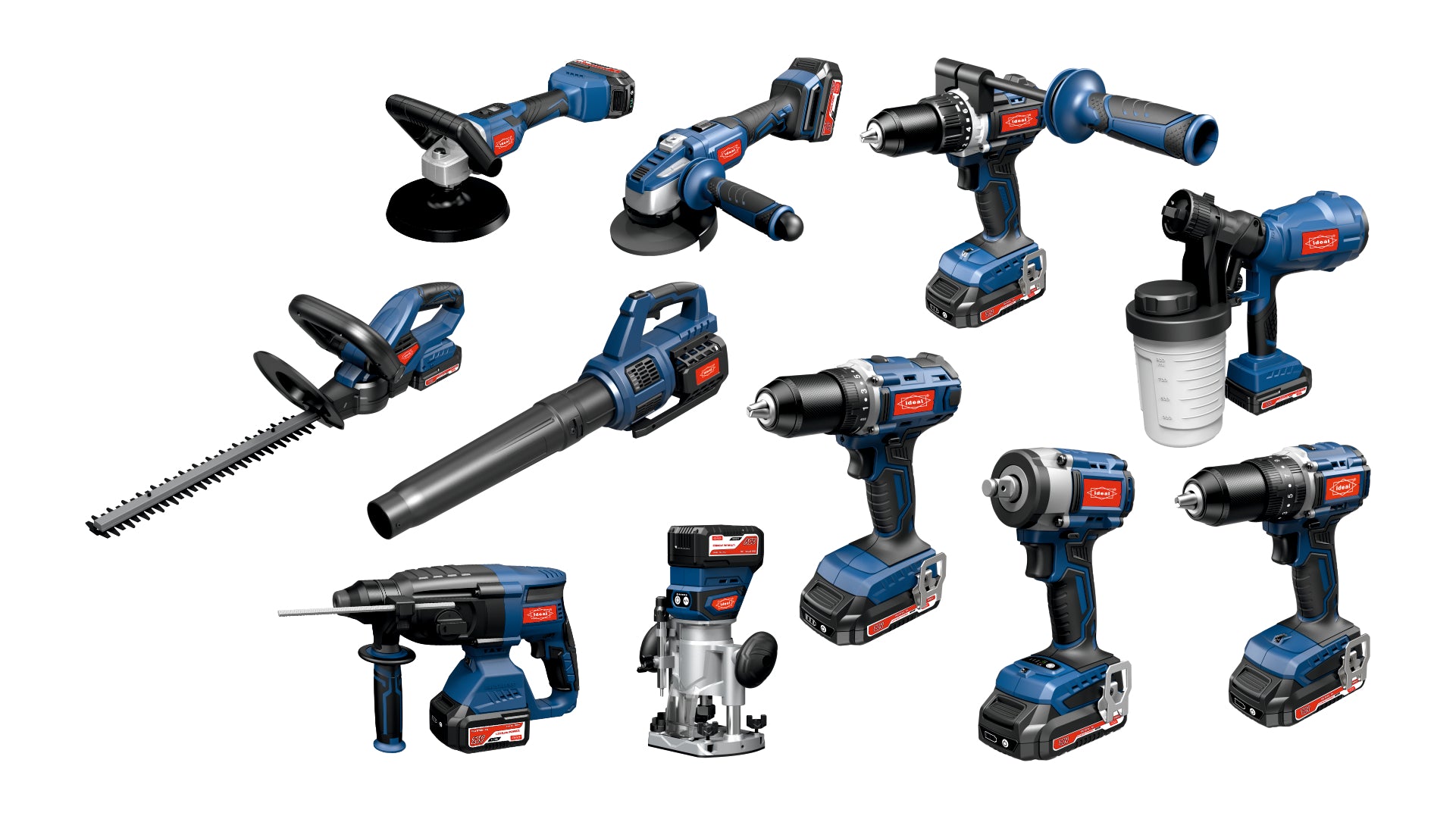
At Ideal Power Tools, we offer a wide range of professional power tools and accessories designed for construction, fabrication, woodworking, and industrial applications. Pairing quality equipment with proper maintenance helps maximise performance and protects your investment for years to come.